Development · 3 min read
The Power of a Solid Website Foundation: Why Clean Code Matters

Oasis Web Services
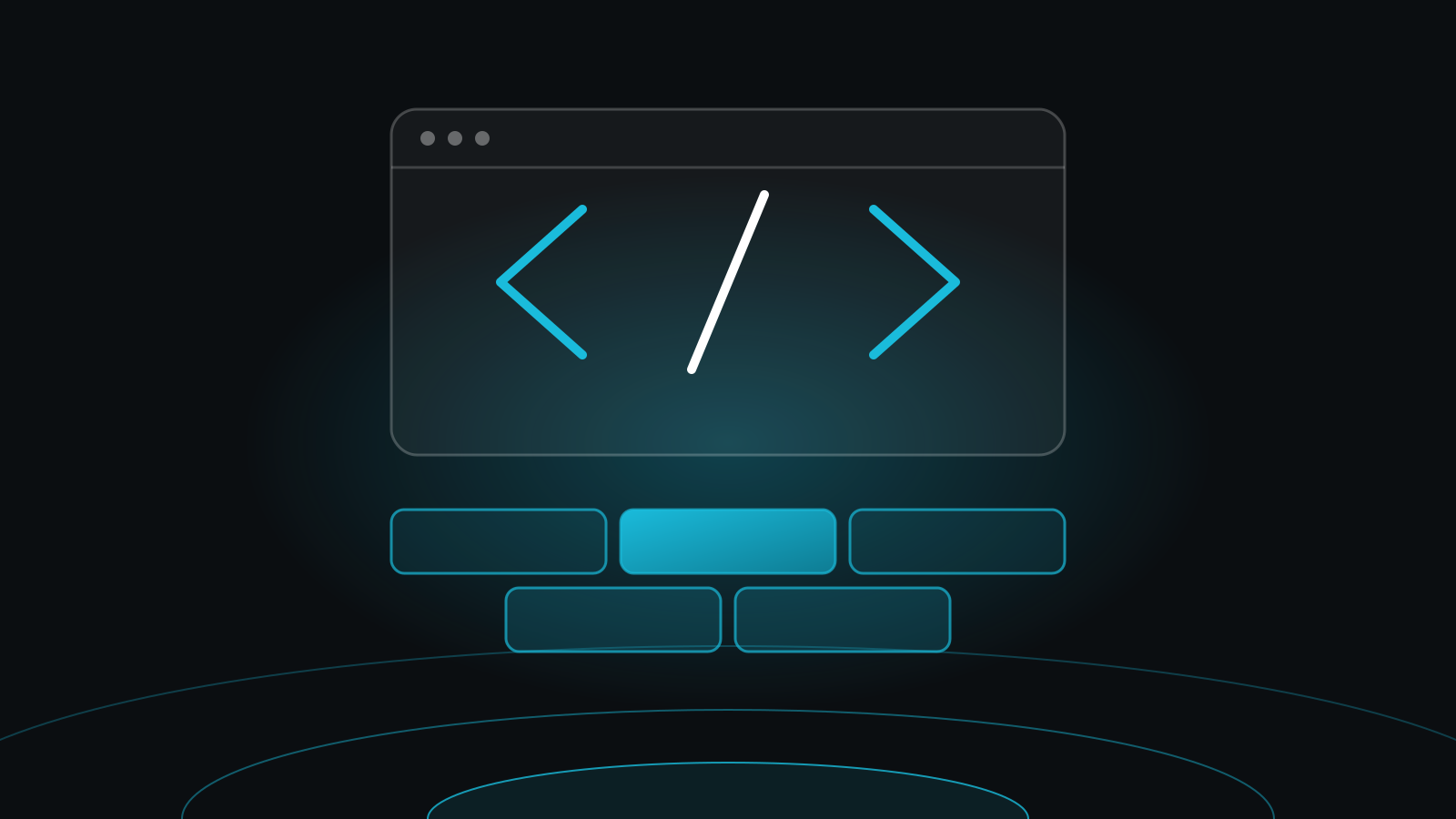
When you look at a website you see the design, the words and the photos. What you do not see is the code underneath. Like the foundations of a house, it decides how solid, fast and safe everything on top of it is, and how much it costs to change later. Nobody tours a house to admire the foundations, but everyone notices when the kitchen starts sliding into the garden.
What "clean code" actually means
Clean code is code that is tidy, logical and easy for another developer to understand. On a website, that usually means:
- Semantic HTML. Headings, lists, buttons and links are marked up as what they are, so browsers, screen readers and search engines understand the page.
- Lightweight. No bloated page builders, unused plugins or scripts that load on every page "just in case".
- Organised. Styles and components are reused instead of copied, so a change in one place updates the whole site.
- Up to date. It uses current, supported tools and libraries, not ones that stopped getting security fixes years ago.
You cannot see any of this, but you can feel it in how fast the site is and how smoothly changes go. Messy code is like a drawer full of tangled cables: it technically works, until you need one specific cable in a hurry.
Speed and SEO
Visitors are impatient. If a page takes more than a few seconds to appear, many will leave before it does, especially on a phone.
Clean code loads faster because the browser has less to download and less work to do. That matters for search too. Google measures real-world loading, responsiveness and layout stability through its Core Web Vitals (opens in a new tab) and uses them as part of how it ranks pages.
Well-structured code also makes it easier for search engines to read your pages: clear headings, proper links, descriptive image text and structured data that explains what your business offers.
Security, scalability and reliability
Security. Many website break-ins come through outdated plugins, themes and libraries. A lean, well-maintained codebase has fewer places for attackers to get in, and is easier to keep patched.
Scalability. When code is organised into clear, reusable parts, adding a new page, a booking system or an online shop is a matter of building on what is there. With messy code, the same change can mean a rebuild.
Reliability. Clean code is easier to test, so fewer bugs reach your customers, and the ones that do are quicker to find and fix.
The hidden costs of messy code
Messy code is often cheaper to start with and more expensive to live with:
- Slower updates. Simple changes take longer because the developer has to untangle what is there first. "Can you just change this button?" should not be a three-day job.
- More bugs. Fixing one thing breaks another.
- Falling performance. Every quick fix adds weight, and the site gets slower over time.
- Weaker SEO. Slow, poorly structured pages struggle to rank.
- An early rebuild. Eventually it becomes cheaper to start again than to keep patching.
What it looks like in practice
Here is the kind of difference clean code makes on a typical small business site:
- Images are resized and compressed automatically, so a phone never downloads a photo sized for a large monitor
- Each page loads only the code it needs, not everything for the whole site
- Headings follow a clear order, so Google and screen readers understand the page
- Shared parts such as the header, footer and contact sections are built once and reused, so they always match
None of this changes how the site looks in a mock-up. All of it changes how the site performs once it is live.
How we build at Oasis Web Services
Every site we build is hand-coded with modern, well-supported tools, not a heavy page builder. That means:
- Clean, semantic code that search engines and screen readers understand
- Speed built in, with optimised images and pages served from a fast global network
- Room to grow, so you can add pages and features without starting again
- Plain-English communication, so you always know what we are doing and why
- Support after launch, so your site stays fast and secure
Don't build on sand
A website is a long-term investment. Building it on a solid foundation means it stays fast, ranks better, stays safer and costs less to look after over the years.
See our website packages and prices, or get in touch to talk about your project.