Development · 4 min read
Custom Development vs. Templates: Which Is Right for Your Business?

Oasis Web Services
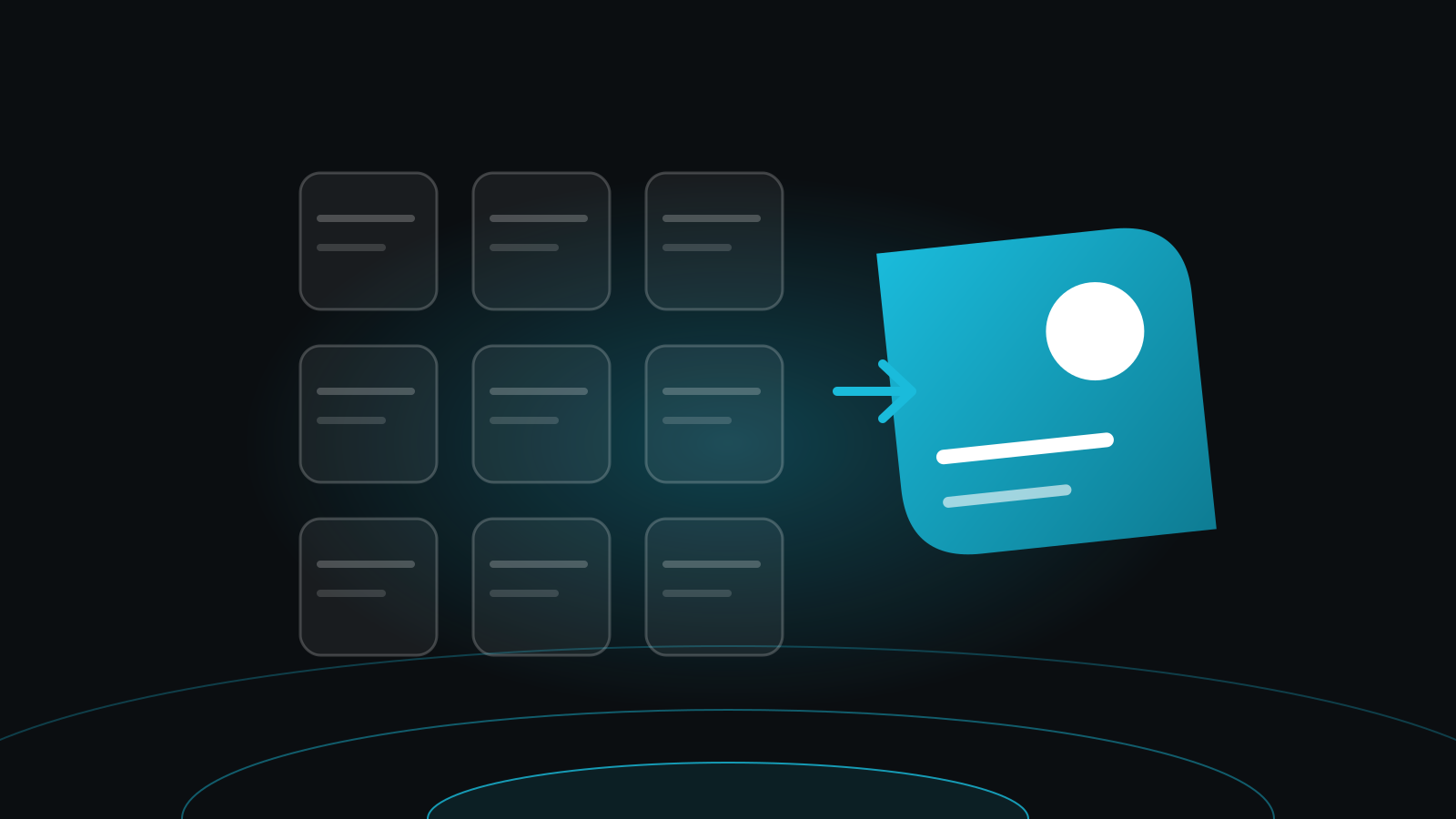
Choosing how your website is built is a bit like choosing a suit. You can buy one off the rack, which is quick and affordable and fits most people well enough. Or you can have one made, which fits you perfectly and costs more. Neither is wrong. The trick is knowing which one your business needs.
Why this decision matters
The way your site is built affects how fast it is, how well it ranks, how easy it is to change and how long it lasts before you need to start again. Get it right and your website grows with you. Get it wrong and you either pay for things you do not need, or hit a wall just as business picks up.
What we mean by template and custom
Template websites use a ready-made design from a platform such as WordPress, Wix, Squarespace or Shopify. You swap in your logo, words and photos.
Custom websites are designed and built for your business, around your content, customers and goals.
Hybrid builds sit in between: a proven framework underneath, with a custom design and features on top. A lot of good small business sites live here.
The pros and cons
Templates
Good:
- Cheaper to start
- Quick to launch
- Easy to edit yourself on most platforms
Not so good:
- Limited flexibility once you need something the template wasn't built for
- Your site may look like hundreds of others. Somewhere out there, a dog groomer and a solicitor are wearing the same website.
- Often heavier and slower, because templates ship with features for everyone
- Less control over the technical side of SEO
- Monthly fees and plugins can add up
Custom development
Good:
- A unique design that fits your brand
- Faster pages, because only what you need is built
- Easy to grow with new features
- Full control over SEO, structured data and site structure
- Fewer plugins, so fewer security holes
Not so good:
- A higher upfront cost
- A longer build
- You need a developer you trust for changes and support
- Without a clear plan, "just one more feature" can creep in
Things to think about locally
- Your competition. If every competitor uses the same few templates, a distinctive site helps you stand out.
- Your customers' connection. Not everyone has fast broadband or a strong 4G signal. A lightweight site loads where a heavy one stalls.
- Local search. Clean structure, location pages and structured data help you show up for "near me" searches.
- Your other tools. Booking systems, payment providers and CRMs often need custom connections.
When to choose which
A template may suit you if:
- You are just starting out and need something live quickly
- Your budget is very tight
- You need a simple online presence, with a few pages and a contact form
- You are happy to work within the design you are given
Custom is usually worth it if:
- Your website brings in a meaningful share of your work
- You need features templates do not handle well, such as quoting, bookings or client areas
- Speed and search rankings matter to you
- You want a brand that looks like no one else
| Template | Custom | |
|---|---|---|
| Upfront cost | Lower | Higher |
| Time to launch | Days to weeks | Weeks |
| Speed | Often heavier | Built lean |
| Flexibility | Limited by the template | Built around you |
| SEO control | Partial | Full |
| Looks unique | Rarely | Always |
A typical story
Picture a small spa that starts with a template. It works fine for a year. Then they want online booking that understands their treatment rooms, a members' area and seasonal offers. Each one needs another plugin, the site gets slower, and the plugins start arguing with each other like siblings on a long car journey. Moving to a custom build fixes all three, and the site gets faster in the process.
It is a common pattern. Templates are a great starting point. They are not always a great finishing point.
The SEO side of custom builds
- Clean code that loads fast and is easy for search engines to read
- Structured data that tells Google exactly what you offer, where and at what price
- A site structure planned around what your customers search for
- Local SEO built into service and location pages
- No plugin pile-up slowing every page down
What about cost?
Custom does not have to mean expensive. At Oasis Web Services, our custom-built packages start at £350 for a landing page and £1,100 for a five-page small business site, with fixed prices agreed before we start. So you get the made-to-measure suit without the Savile Row bill.
Whichever way you go, budget for looking after the site: hosting, updates and the odd improvement keep it fast and secure.
How we help you decide
- Discovery. We learn about your business, customers and goals.
- Recommendation. We tell you honestly whether a template or a custom build makes more sense, even if the answer is the cheaper one.
- Design and build. We design, build and test the site, keeping you updated.
- Support and growth. We keep it fast and secure, and add features as you grow.
Ready to talk it through? Get your free quote or browse our website packages.